
If your lower back feels tight after a round, or you get that “pinch” during the downswing, you’re not imagining it. A golf swing can be one of the most demanding movements you repeat regularly, especially if you also sit a lot for work. Golf looks controlled, but the forces can be big, and they go through the spine again and again.
The tricky part is that many golfers do not feel pain during the swing itself. They feel it later. It shows up that night, the next morning, or on the last few holes when fatigue kicks in. That’s why golf swing back pain feels confusing. You can have a “good swing” and still have a sore back. Or you can have one slightly awkward swing and suddenly you can’t rotate.
This article breaks down why golf irritates the spine, what typical spine injury golf patterns look like, and the three fixes that usually make the biggest difference if you want to keep playing without the back drama.
Why the golf swing targets the spine
A golf swing is not one movement. It is a chain.
You rotate the hips, rotate the trunk, shift weight, extend and side bend slightly, and then you do it at speed. If any link in that chain is stiff or weak, another link compensates. The lower back is often the one that pays.
These are the three most common reasons the spine gets irritated.
1) Your lower back is rotating too much
The upper back is designed for rotation. The hips are designed for rotation. The lower back can rotate, but it is not designed to be the primary rotator under load.
If your hips or upper back are stiff, your lower back rotates more to make up for it. Over time that can irritate joints, discs, and muscles. That is a classic golf back pain story.
2) You combine rotation with arching and side bending
Many golfers, especially when trying to generate power, add early extension or a “stand up” move through the swing. That can combine rotation with arching and side bending. This combo can irritate the lower back, particularly on the trail side.
It is not always obvious in the moment. But you feel it later.
3) You swing hard with a body that has not warmed up
Golfers often go from car seat to tee box. The body is stiff, the hips are tight, the upper back is rounded, and then you try to swing at full speed. That is a recipe for irritation, especially after 35 to 40.
Warm-up matters more than people think. Not because it prevents every injury, but because it raises your tolerance.
The back pain pattern that tells you it is swing-related
Golf-related back pain often follows one of these patterns:
- Tightness that builds through the round, especially after the first few holes
- A pinch or sharp sensation during the downswing or follow-through
- Pain that is worse after sitting in the car post-round
- Stiffness the next morning, especially with bending or twisting
- Pain that is worse after range sessions with high ball counts
If you also get pain travelling into the buttock or down the leg, tingling, numbness, or weakness, that may suggest nerve irritation. That needs a smarter plan and should not be ignored.
Fix 1: Restore hip rotation so your back stops doing the job
If you want one thing that protects your spine, it is this: make sure your hips rotate well.
When hips rotate properly, the pelvis can turn without forcing the lower back to twist. That reduces strain and makes the swing feel smoother.
What to work on
- Hip internal rotation, especially on the lead side
- Hip external rotation, often limited on the trail side
- Glute strength to control the pelvis during rotation
A simple way to test it yourself
If you struggle to rotate your hips without your knees collapsing or your pelvis shifting, hip mobility and control are likely part of your issue.
You do not need to become a yoga person. You just need enough hip movement to share the load.
A few minutes of hip mobility most days beats one long session once a week.
Fix 2: Get your upper back moving so you stop “cranking” the lower back
The upper back (thoracic spine) should contribute a lot of rotation during the backswing. If it is stiff from desk work, driving, or slouched posture, your neck and lower back compensate.
If your upper back is stiff, you may:
- Over-rotate through the lower back
- Lose posture and stand up through impact
- Feel tight between the shoulder blades and then sore lower back afterwards
What helps
- Gentle upper back rotation drills
- Chest opening work
- Better desk posture and regular breaks during the week
This is one of the reasons golfers who sit all week often flare on weekends. The upper back loses rotation, then the swing demands it.
You do not have to change your life. But if you spend a lot of time at a desk, give your upper back some movement so your lower back does not have to take over.
Fix 3: Manage volume and warm-up so you stop getting hit by fatigue
Most golf back injuries are not from one swing. They are from the 70th swing when your body is tired.
Fatigue changes your mechanics. You lose sequencing. You start swinging with your back instead of your hips and trunk working as a team.
This is where the “three fixes” become very practical.
Warm-up before you swing hard
A useful warm-up does not have to be complicated:
- A brisk walk for two to three minutes
- Gentle hip rotations
- A few upper back rotations
- Practice swings at 50 percent speed, then 70 percent, then 90 percent
The goal is to feel warmer and looser, not stretched out.
Build practice volume gradually
Range sessions can be brutal on the spine if you hit ball after ball without breaks.
If you are prone to back pain:
- Reduce total balls per session
- Break practice into shorter blocks
- Take a one to two minute walk break every 15 to 20 balls
- Stop chasing “one more bucket” when you are tired
This is how you prevent golf injuries chiropractor style advice often focuses on: not just what you do, but how much you do and how your body recovers.
Respect the warning signs
If you feel your back tightening mid-round, do not keep swinging harder. Slow the tempo, focus on smoothness, and reduce range work or extra practice swings for the rest of the round.
You can often avoid a flare by listening early.
The biggest mistake golfers make when the back starts hurting
They stop moving completely.
Rest feels sensible, but too much rest makes you stiffer and weaker. That makes the next round worse.
Instead, keep gentle movement like walking, and focus on the fixes above. Then gradually rebuild strength and tolerance so your back is not a fragile link in your swing chain.
When to get help, and what chiropractic care can add
If back pain keeps returning, interrupts sleep, limits your swing, or starts affecting your day to day life, it is worth getting assessed.
A good plan for golfers looks at:
- Hip and upper back mobility
- Pelvic control and glute strength
- Swing-related movement patterns and fatigue factors
- Recovery habits, including sitting time and driving time
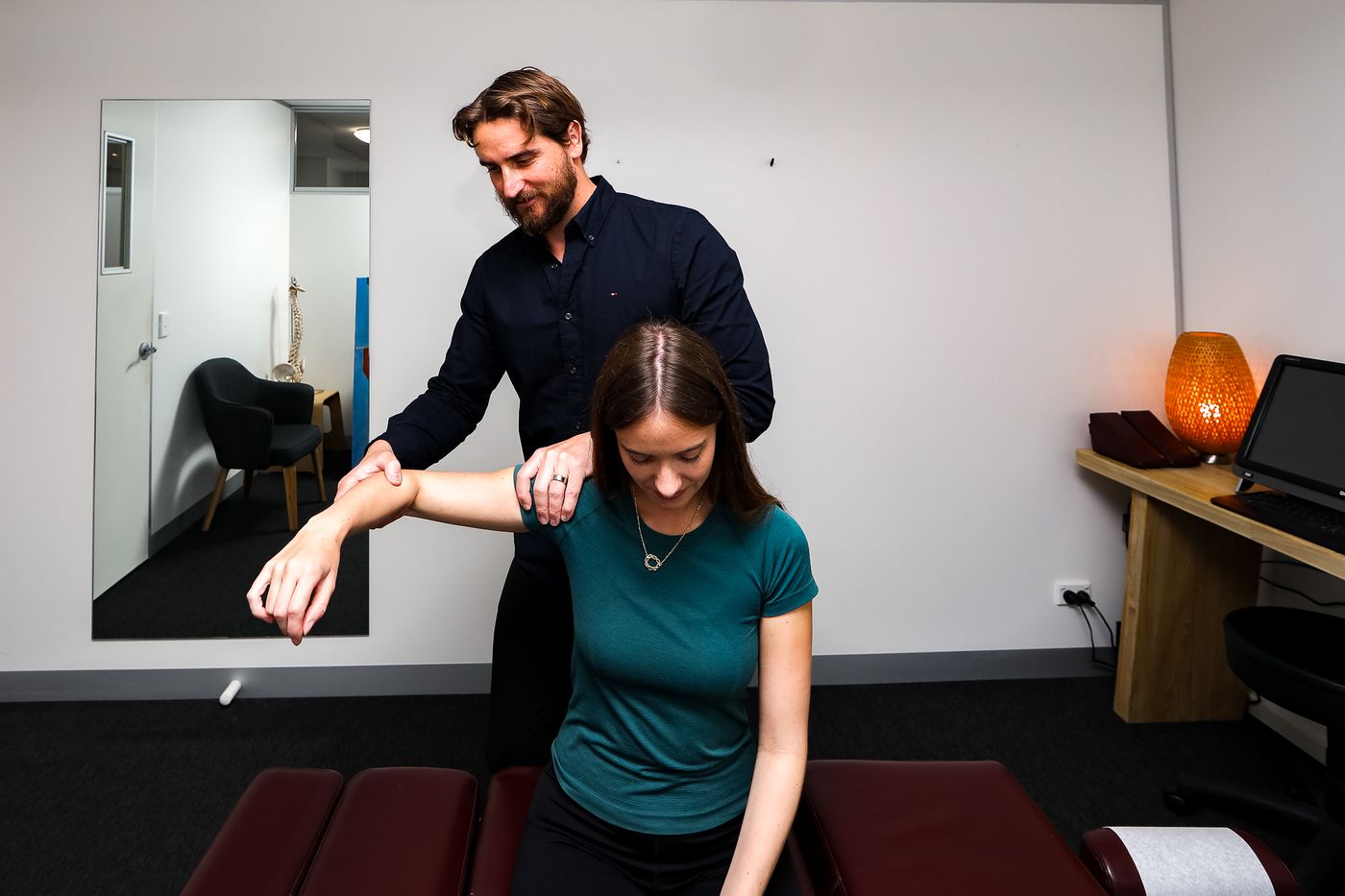
- Hands-on care to reduce tension and improve movement when appropriate
If you want a broader view of low back patterns and options, our Low Back Pain page explains common causes and how care is structured.
Local support: Rosebud and the Mornington Peninsula
Golf on the peninsula is a big part of life, and so is the pattern of golfers getting sore backs from weekend rounds. Many people reach the point where they search Chiropractor Near me because they want to keep playing without paying for it for three days after.
If you are local and looking for a Chiropractor Rosebud option, our clinic in Capel Sound supports patients across the Mornington Peninsula with golf-related back pain, sciatica patterns, and stiffness that limits rotation.
If you are new to care and want to know what happens in the first appointment, our First Visit guide explains what to expect.
FAQs
Why do I get golf swing back pain even when my swing feels fine?
Pain often shows up after the round because irritation builds with repetition and fatigue. The swing may look fine, but if hips and upper back are stiff, the lower back can still take too much load.
What is the best way to protect the spine in golf?
Improve hip rotation, restore upper back movement, warm up properly, and manage practice volume. These changes reduce how much the lower back has to compensate.
Can golf cause a spine injury?
Golf can aggravate joints, discs, and muscles through repetitive rotation and side bending, especially when volume spikes or mechanics are off. If symptoms include leg pain, numbness, tingling, or weakness, get assessed.
Should I stop golfing if my back hurts?
Not always, but you should modify. Reduce swing intensity, warm up longer, limit practice volume, and address mobility and strength. If pain is sharp, worsening, or includes leg symptoms, get assessed.
Can a chiropractor help prevent golf injuries?
Chiropractic care can support mobility, reduce tension, and help guide a plan for strength and load management. Prevention usually comes from combining care with habit and training changes.