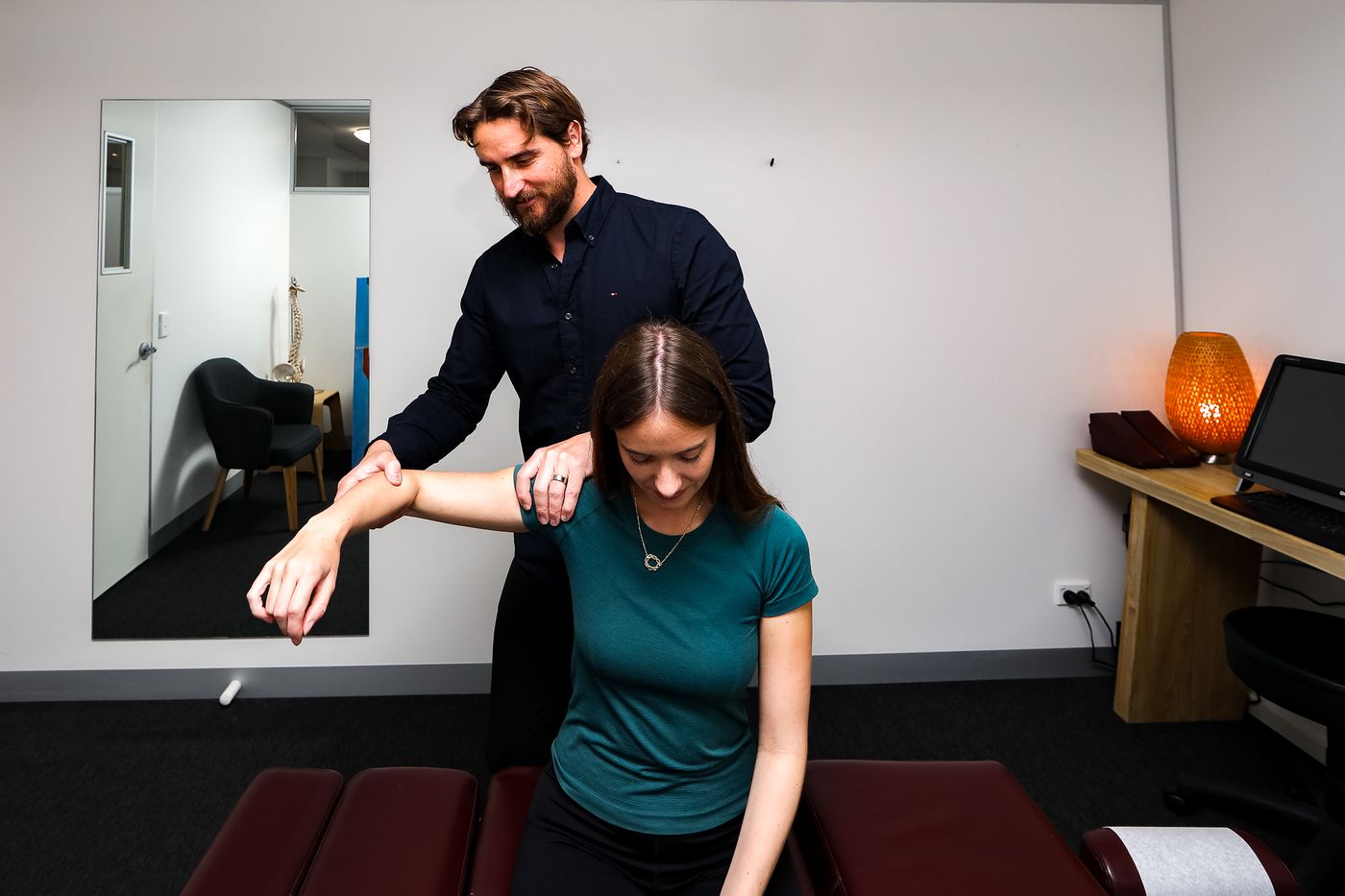

If your neck clicks, cracks, pops, or grinds when you turn your head, you’re not alone. A lot of people hear these neck cracking sounds and immediately wonder if something is wrong, or worse, if they’re damaging their spine every time they look over their shoulder.
The truth is, most neck noises are harmless. But not all of them. The key is context: what the sound feels like, how often it happens, and whether it comes with symptoms like pain, stiffness, headaches, or dizziness.
This article will explain the most common causes of neck sounds, what it means if you have neck popping pain, and how to tell when to take it seriously. We’ll keep it practical and calm, because fear around the neck usually makes symptoms worse, not better.
Why does the neck make cracking sounds?
The neck is a moving structure. It has joints, ligaments, muscles, tendons, and small fluid-filled capsules around each joint. When you move, these structures shift. Some movements create audible sounds.
Here are the most common causes.
1) Joint gas release (the classic “crack”)
This is the sound most people are familiar with, similar to cracking knuckles. When a joint moves and pressure changes in the joint fluid, tiny gas bubbles can form and collapse. That can create a quick pop.
This is generally harmless, especially if it is painless and not happening constantly.
2) Tendons or ligaments moving over bony points
Sometimes the sound is not from the joint itself, but from a tendon or ligament sliding over a bony point and snapping back into place. This can happen more when muscles are tight or when posture keeps the neck under constant load.
This type of click can feel like it comes from one side and may repeat with a specific movement.
3) Muscle tension and stiffness
When muscles are tight, joints can move less smoothly. That can increase clicking, especially first thing in the morning or after long desk work. In that case, the sound is often linked to stiffness rather than damage.
4) Wear and tear changes
As we age, joints can develop changes that affect smooth movement. Some people describe this as grinding or crunching rather than a clean pop. This does not automatically mean a serious problem, but it can be linked with stiffness and irritation.
The key question is always the same: how does it feel?
Is neck cracking dangerous?
People often ask is neck cracking dangerous because they’ve heard scary stories online. For most people, occasional painless cracking is not dangerous.
Where people get into trouble is when:
- They forcefully crack their neck repeatedly to “release” tension
- They rely on cracking as the only way to feel relief
- They crack through pain or ignore symptoms that are worsening
So, the sound itself is not the main problem. The pattern around it is what matters.
A small pop when you turn your head is usually nothing. A neck that feels constantly tight, stiff, and needing to be cracked every hour is worth looking at.
When neck popping becomes a concern
Here are the situations where neck sounds are more likely to be meaningful.
1) Cracking with pain
If you have neck popping pain, especially sharp pain, that suggests irritation. It could be joint irritation, muscle strain, or another issue that should be assessed.
2) Cracking with reduced movement
If your neck is stiff and you feel restricted turning your head, the noise can be a sign your joints are not moving smoothly. This is common with posture-related strain, desk work overload, and long driving weeks.
3) Cracking with headaches
Some headaches have a neck component. If cracking is paired with headaches starting at the base of the skull, it may be part of a broader neck tension pattern.
4) Cracking with dizziness or unsteadiness
Occasional light-headedness can have many causes, but dizziness linked with neck movement should be taken seriously and assessed.
5) Cracking after injury
If you’ve had a fall, sports collision, or car accident and now your neck is cracking more and feels painful, get it checked.
The “I crack my neck because it feels good” issue
A lot of people crack their neck because it brings temporary relief. That relief is real. It can reduce tension, give a sensation of looseness, and calm the system briefly.
But if you need to crack it repeatedly, it usually means your neck is not tolerating daily load well. It is often a sign of:
- Stiff joints in the neck or upper back
- Overloaded muscles from posture strain
- Weakness or endurance issues in the muscles that support the neck
- Stress and constant tension holding
So instead of chasing the pop, it helps to address why the neck feels tight in the first place.
What to do if your neck cracks a lot
If the cracking is painless and you feel fine, you can usually leave it alone. But if you want to reduce it, these changes often help.
1) Reduce long periods looking down
Phone and laptop posture is a major driver of neck stiffness. Bring screens closer to eye level and take regular breaks.
2) Move the upper back, not just the neck
A stiff upper back forces the neck to move more. Gentle thoracic movement can reduce strain on the neck.
A simple habit: stand up, place your hands behind your head, lift your chest gently, and breathe out slowly. Repeat a few times during the day.
3) Strengthen the support system
Neck endurance matters. When the deep neck muscles and upper back support muscles get tired, the neck joints take more load. Building endurance through simple exercises can reduce the “craving” to crack the neck.
4) Sleep setup
If you wake up stiff and cracky, your pillow height may be off. Side sleepers often need enough height to keep the head level. Back sleepers often do better with a lower pillow that supports the curve of the neck.
If you’re waking up with stiffness frequently, our Neck Pain page explains common causes and what to do next.
When it makes sense to get assessed
If neck cracking is paired with pain, headaches, frequent stiffness, or you feel like your neck keeps “locking up,” an assessment can help.
You do not need to wait until it becomes unbearable. Getting clarity early often saves you months of frustration.
Many people reach this point and search Chiropractor Near me because they want someone to confirm what is going on and give them a plan that fits their lifestyle.
If you are local and looking for a Chiropractor Rosebud option, our clinic in Capel Sound supports people across the Mornington Peninsula with neck stiffness, posture strain, and recurring headaches.
If you are new to care and want to understand how appointments work, you can also read our First Visit guide.
FAQs
Are neck cracking sounds normal?
Yes, for many people they are normal. Joints can release gas, tendons can move, and small noises can occur without any problem, especially if there is no pain.
When is neck cracking dangerous?
It becomes more concerning if it happens with sharp pain, worsening stiffness, dizziness, nerve symptoms, or after trauma. Also, repeatedly forcing your neck to crack for relief is not a good long-term habit.
Why does my neck crack more when I’m stressed?
Stress often increases muscle tension, especially in the shoulders and neck. Tension can change how joints move and make clicking more noticeable.
Should I stop cracking my neck?
Occasional gentle cracking is usually not an issue, but repeatedly forcing it to crack for relief may indicate underlying stiffness or endurance issues that are better addressed with a plan.
Can a chiropractor help neck popping pain?
If pain is present, it is worth getting assessed. Care may focus on improving mobility, reducing muscle tension, and addressing posture and strength factors that drive the pattern