
Golf looks smooth when someone is good at it. The problem is that smooth does not always mean gentle. A golf swing is fast, rotational, and repetitive. Add long practice sessions, uneven lies, carrying a bag, and years of desk work in the background, and the lower back becomes the place that starts complaining.
If you are dealing with golf lower back pain, you are not alone. It is one of the most common issues golfers deal with, especially once you hit your late 30s and 40s. The frustrating part is that it can come and go. You feel fine on the range, then stiff the next morning. Or you feel tight after 9 holes, then sore for three days.
This article breaks down why golfers get back pain, what causes a typical golfer back injury pattern, and what you can do so you can keep playing with less worry.
Why golf targets the lower back so often
The lower back gets hit from multiple angles in golf:
Rotation, repeated over and over
A golf swing involves rotating the trunk over the pelvis at speed. If the hips and upper back are not contributing well, the lower back becomes the “rotator,” and it is not designed to do all the rotation by itself.
Extension and side bending
Many swings, especially with longer clubs, combine rotation with a bit of arching and side bending. That combination can irritate joints and muscles in the lower back, particularly if you have stiffness or poor control through the hips.
Sudden spikes in load
A lot of golfers play once a week, maybe hit the range midweek, then try to cram in a full round after sitting all day. That spike in load is a common reason the back flares.
Long periods of standing and walking
Even if you are not swinging, a round means time on your feet. If your glutes and core fatigue, the lower back often tightens up to compensate.
Golf does not usually “break” the back in one swing. It usually irritates a vulnerable pattern over time, then one slightly off swing becomes the moment you notice it.
The three most common reasons golfers get lower back pain
1) Limited hip rotation
If your hips do not rotate well, your lower back has to rotate more. That is one of the biggest drivers we see.
A common sign is feeling tight in the hips, groin, or glutes, or noticing you struggle to rotate without shifting your pelvis.
2) A stiff upper back (thoracic spine)
The upper back is designed to rotate. If it is stiff from desk work or poor posture, your swing forces the lower back to do more rotation and more side bending.
You might feel this as tightness between the shoulder blades, a rounded upper back posture, or difficulty getting into a comfortable backswing without “forcing” it.
3) Poor swing sequencing and fatigue
When you are tired, you lose sequencing. You might “arm” the swing, early extend, or lose control in the downswing. The lower back then takes a hit, especially if you are swinging hard.
A lot of golfer back injuries happen on the last few holes, not the first three, because fatigue changes mechanics.
Why it often starts after 40
This is not about being old. It is about capacity.
After 40, recovery is often slower. People have more desk work, more stress, less time for mobility work, and less time for strength training. The body is still capable, but it needs more maintenance.
Golf can also expose what daily life is doing to your body. If you sit a lot, your hips and upper back get stiffer. Then golf demands rotation. The lower back ends up paying for the mismatch.
How to keep playing pain-free: what actually works
Here are the changes that tend to help golfers the most. Keep it simple and consistent.
1) Warm up like you mean it
Most golfers do one practice swing and go. That might work at 20. It usually does not work after 40.
A useful warm-up includes:
- A short brisk walk
- Gentle hip rotation movements
- A few slow practice swings building up speed gradually
- A couple of upper back rotations
The goal is to get blood flow and movement, not to stretch aggressively.
2) Build hip mobility and glute strength
Golfers need hips that rotate and glutes that stabilise. If the hips are stiff or the glutes switch off, the lower back tightens to protect you.
A simple focus:
- Hip rotation drills
- Glute bridges
- Side-lying hip work
- Controlled hip hinge patterns
Do this two to three times per week and it changes your back tolerance over time.
3) Improve upper back movement
If your upper back is stiff, your lower back will rotate more than it should.
Try gentle thoracic rotation work, especially if you spend a lot of time on a laptop. Even a few minutes a day can improve swing comfort.
4) Manage volume, not just technique
If you have a range session where you hit 120 balls after doing nothing all week, your back will notice.
Instead:
- Break practice into shorter sessions
- Build volume over weeks, not in one day
- If you feel back tightness building, take a short break and reset rather than pushing through
This is one of the simplest ways to reduce flare-ups.
5) Do not ignore the early warning signs
Golf pain often whispers before it shouts.
If you feel a mild ache during a round, you can often prevent a flare by:
- Slowing swing speed slightly
- Taking a few holes to focus on smooth tempo
- Avoiding hard practice swings
- Walking more upright and not slumping over the bag
Pushing hard through a warning ache is how the “three-day back” happens.
If your pain includes leg symptoms, take it seriously
Some golfers get back pain that stays local. Others notice pain into the buttock or down the leg, tingling, or numbness. That can suggest nerve sensitivity.
That does not automatically mean something severe, but it does mean you want a smart plan rather than guessing.
If you want to understand those symptoms better, our Sciatica page explains common patterns.
How chiropractic for golfers can fit in
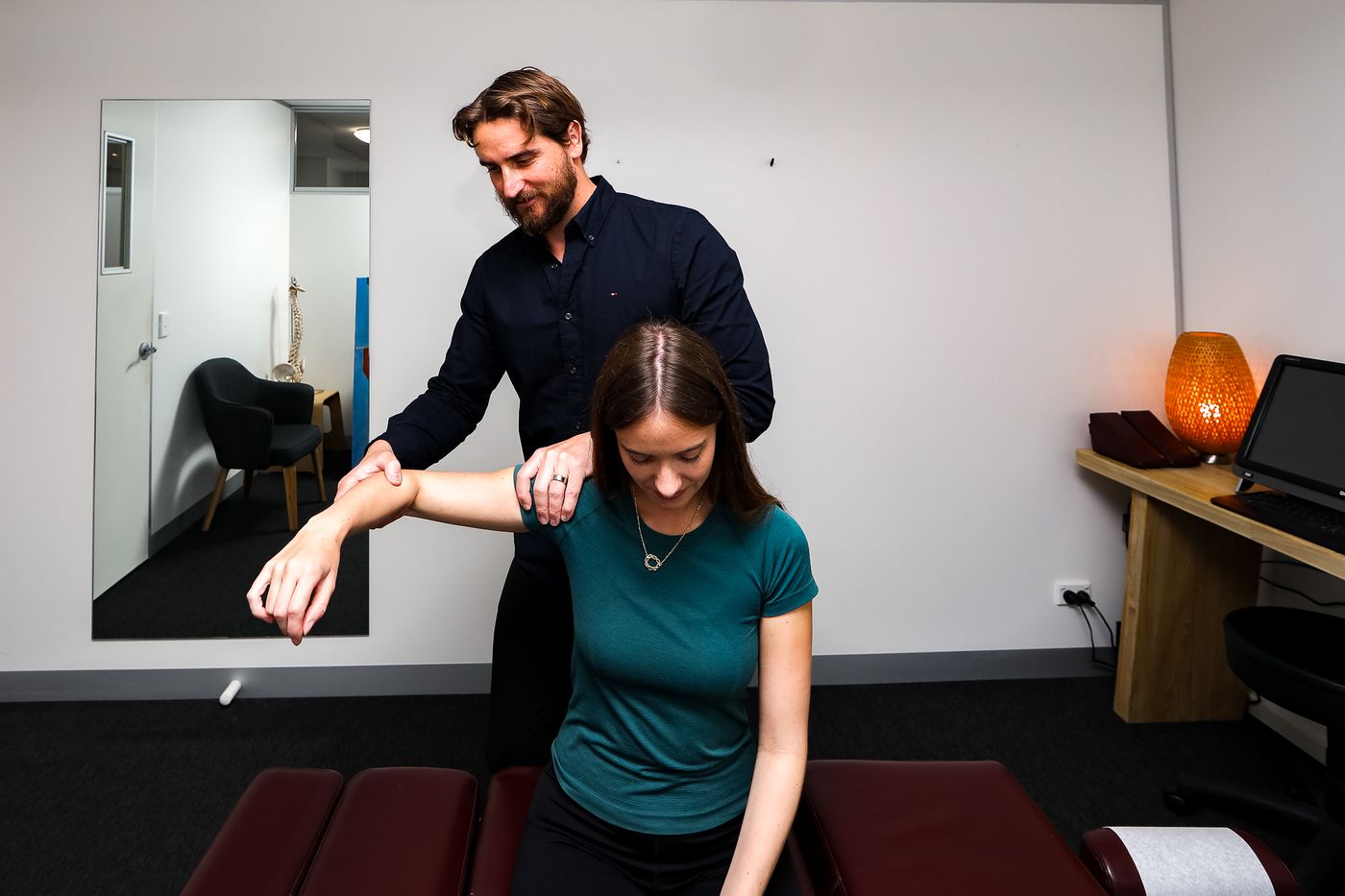
Chiropractic for golfers is not about cracking someone and sending them back to the course. The best approach is usually about restoring movement where you are stiff, reducing overloaded muscle tension, and building a plan that supports your swing demands.
A golf-focused plan often looks at:
- Hip mobility and pelvic mechanics
- Upper back rotation
- Lower back load tolerance
- Warm-up strategy and recovery habits
- Strength work that protects the back during rotation
If you are dealing with recurring low back pain, you can also learn more on our Low Back Pain page.
Local support: Rosebud and the Mornington Peninsula
Golf is big on the peninsula, and so is the pattern of golfers dealing with back flare-ups. A lot of people start searching Chiropractor Near me because they do not want to quit playing, they just want the pain to stop running the show.
If you are looking for a Chiropractor Rosebud option, our clinic in Capel Sound supports patients across the Mornington Peninsula with golf-related back pain, sciatica patterns, and movement restrictions that limit performance.
If you are new to care and want to know what happens in an appointment, our First Visit guide explains what to expect.
FAQs
Why do golfers get lower back pain so often?
Golf involves fast rotation, side bending, and repetition. If hips and upper back are stiff or weak, the lower back takes more load and can become irritated.
Should I stop playing if my back hurts?
If pain is sharp, worsening, or includes leg symptoms, get assessed. If it is mild and settles with warm-up and movement changes, you may be able to modify rather than stop. The key is not pushing through signals that are getting worse.
What is the best warm-up for golf lower back pain?
A short walk, gentle hip rotations, upper back rotation movements, and slow practice swings building speed gradually is a good start.
Can chiropractic care help golfer back injury patterns?
It can help by improving mobility, reducing muscle tension, and supporting a plan for strength and movement that matches golf demands.
When should I get checked?
If pain keeps returning, disrupts sleep, travels into the leg, or is limiting your swing or daily life, it is worth getting assessed.