
Arthritis is one of the most common reasons people walk through our door on Point Nepean Road. Many of our patients are retirees from around Capel Sound, Rosebud and Rye, including residents of The Village Glen, and their goals are refreshingly practical: get down the beach steps without a grimace, play nine holes without paying for it the next morning, pick up the grandkids, keep the garden going. This post covers what arthritis is, what tends to aggravate and ease it, and how chiropractic care can help you stay moving.
What arthritis is
Arthritis is a broad term for conditions that affect the joints. The two you'll hear about most are:
- Osteoarthritis is by far the most common. The smooth cartilage that lines the ends of the bones gradually thins, the joint edges can thicken, and the surrounding ligaments and muscles stiffen. It most often affects the neck, lower back, hips, knees, hands and feet.
- Inflammatory arthritis, such as rheumatoid arthritis, psoriatic arthritis and gout, is driven by the immune system or by crystals in the joint. It tends to cause hot, swollen joints and flares that come and go.
Chiropractic care is mainly aimed at the mechanical side of things: the stiffness, muscle tension and loss of movement that go along with osteoarthritis, and the knock-on aches that develop in nearby areas when one joint isn't moving well.
Common signs
- Stiffness first thing in the morning, or after sitting, that loosens up once you get moving
- A deep ache in the joint that builds with use through the day
- Reduced range of movement, such as difficulty turning your head to reverse the car, or bending to put on socks
- Grinding, creaking or clicking in the joint
- Knobbly finger joints or a knee that looks a little larger than it used to
- Pain that changes with the weather, especially on cold, damp Peninsula mornings
What tends to make it worse
- Staying still too long. Arthritic joints stiffen quickly. Long car trips, a long afternoon in a low armchair or a full day at the desk usually leave you sorer than a moderate amount of activity would.
- Sudden jumps in load. A big day in the garden, moving furniture, or two rounds of golf back to back after a quiet month.
- Losing muscle strength. The muscles around a joint act as shock absorbers. When they weaken, the joint takes more of the load.
- Extra body weight, particularly for the hips, knees and lower back.
- Cold. Many people notice more stiffness through winter.
What tends to ease it
- Regular, gentle movement. Walking, swimming, water exercise classes, cycling and tai chi all keep joints moving without hammering them. Motion is lotion.
- Strength work. Simple exercises for the legs, hips and core make a real difference to how the knees, hips and back feel.
- Pacing. Spread the big jobs across the week, and alternate heavier tasks with lighter ones.
- Warmth. A warm shower or heat pack before activity can take the edge off morning stiffness.
- Good set-up. A chair at the right height, a supportive mattress and decent footwear reduce the strain on sore joints.
How we approach arthritis at Capel Sound Chiropractic
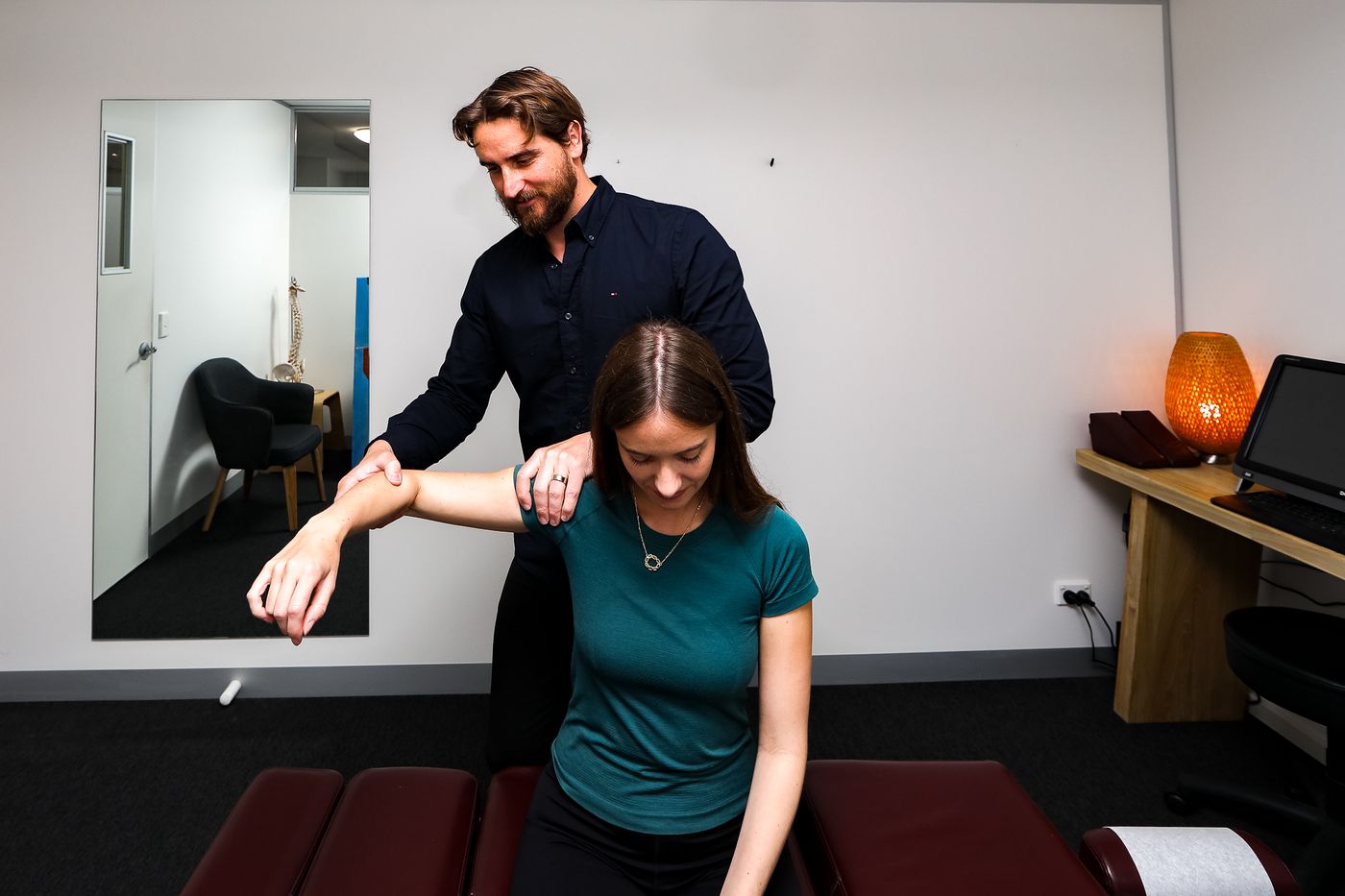
Care starts with listening. Dr Nick takes a full history, looks at how your joints and spine move, checks strength and balance, and asks what you want to be able to do. Arthritis often involves several areas at once, such as a stiff lower back, a sore hip and a tight neck, so we look at how they connect rather than treating one joint in isolation. You can read more about what to expect on your first visit.
Chiropractic adjustments
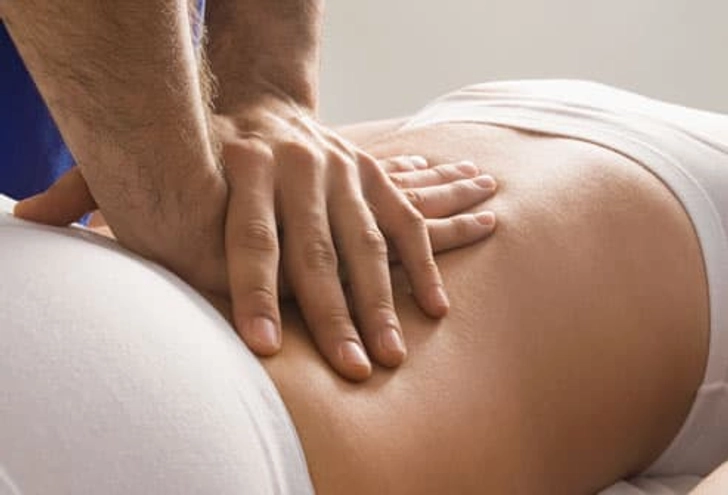
Chiropractic adjustments are the core of care. Arthritic joints, and the joints next to them, tend to get stiff and stuck. Adjustments to the spine and to joints such as the hips, knees, shoulders and feet aim to improve movement and ease the stiffness and discomfort that comes with it. Adjustments are always adapted to the person in front of us, and for arthritis that usually means a gentle approach.
Gentle options for older or sensitive joints
Many of our older patients prefer, or are better suited to, low-force techniques. The Activator instrument is a small hand-held tool that delivers a quick, light adjustment without twisting or cracking. The drop-piece table has sections that drop slightly as the adjustment is given, so very little force is needed. Both are comfortable, quick and well suited to arthritic spines. You can read more on our techniques page.
Soft tissue work
Muscles around a painful joint tend to tighten up to guard it. Soft tissue work eases that tension, which often makes the joint feel freer and helps the adjustment hold.
Exercises
Exercise is where you keep the benefit going at home. Dr Nick will give you a short, realistic routine to build strength around the affected joints, improve balance and keep your range of movement. For golfers, that includes exercises to protect the back and hips through the swing, drawing on Dr Nick's TPI Level 1 certification.
Practical advice
We'll also talk through the everyday things that make a difference: how to get in and out of the car with a sore hip, how to garden without wrecking your back, what chair height suits your knees, and how to pace a busy week.
What chiropractic care can help with
Arthritis is a long-term condition, so the goal is to help you live well with it. For many people, chiropractic care can help with:
- Easing joint stiffness and aching
- Improving movement in the neck, back, hips and knees
- Reducing muscle tension around sore joints
- Better balance and confidence on your feet
- Staying active with golf, walking, gardening and family
If you have a GP Chronic Disease Management plan through Medicare, it can be used towards chiropractic care. Ask us when you book. You can find more information on our arthritis page.
Book an appointment
If stiff, sore joints are slowing you down, we'd be glad to help you keep moving. Book online, or call the clinic and ask for a free phone consultation with Dr Nick to talk through whether chiropractic care is right for you. The clinic has free street parking out the front and wheelchair access.