
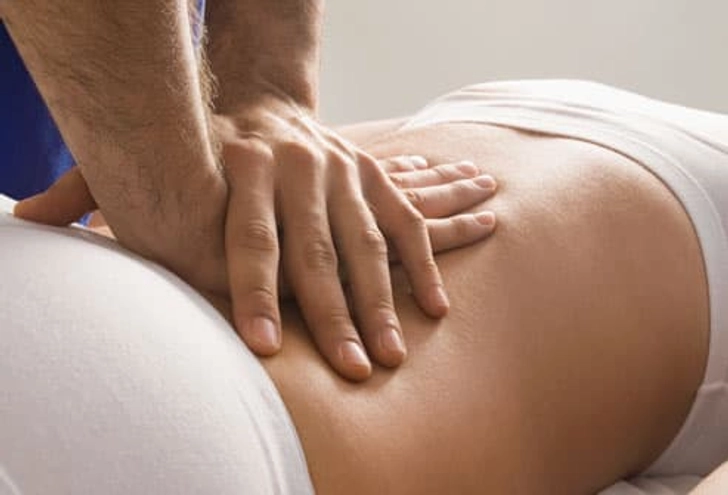
Lower back pain rarely comes with a neat explanation. One day you feel fine, the next you’re stiff getting out of the car or you can’t bend to tie your shoes. If you’re thinking, why does my lower back hurt all of a sudden, you’re not alone.
Most back flare-ups are not caused by one “big” injury. They usually happen when load, posture, stress and recovery don’t match up for a period of time. Here are the seven triggers we see most often, plus what to do next.
Quick safety note: if your back pain follows significant trauma, or you have fever, unexplained weight loss, loss of bladder or bowel control, numbness around the groin area, or rapidly worsening weakness, seek urgent medical care.
Trigger 1: Prolonged sitting and slumped posture
Sitting isn’t the enemy. Sitting for hours without breaks is. Hips stay flexed, glutes switch off, and the lower back often takes on extra work when you stand up again. This is why people feel worse after long drives, desk days, or nights on the couch.
A simple fix is variety. Stand up regularly, take short walks, and reset your posture. Even two minutes of movement every 30 to 45 minutes can change how your back feels by the end of the day.
Trigger 2: Sudden spikes in activity
Backs like gradual progress. Problems often start when life jumps from “not much” to “a lot” quickly. Think moving house, a big gym session after a break, a weekend of gardening, or lifting awkwardly at work.
If you notice your pain appears after doing more than usual, it’s a load issue more than a “broken” back issue. The goal is to reduce the spike, settle the flare, then build capacity back up in a steady way.
Trigger 3: Disc irritation and nerve sensitivity
Discs are the cushions between the bones in your spine. They handle load well, but repeated bending, slumped sitting, or heavy lifting without recovery can irritate them. This may be described as disc-related pain or a disc bulge.
Disc irritation often feels worse with forward bending and long sitting. If a nerve is involved, you may also notice pain into the buttock or leg, tingling, pins and needles, or numbness. That pattern is often discussed under sciatica, and you can learn more on our Sciatica page.
Trigger 4: Hip and sacroiliac joint (SIJ) mechanics
The lower back connects into the pelvis, and the hips are designed to share the workload when you bend and rotate. If a hip is stiff, weak, or irritated, the lower back compensates. The SIJ, where the spine meets the pelvis, can also become sensitive and feel like “back pain”.
This often shows up as a one-sided ache near the back dimple or upper buttock, and it can be aggravated by rolling in bed, getting out of the car, or standing on one leg.
Trigger 5: Weak core and glutes, plus deconditioning
Core talk is everywhere, but the practical point is this: your trunk and hips should stabilise so your lower back doesn’t have to do everything. After a period of low activity, injury, or long workdays, the core and glutes may not be contributing well, and the lower back takes over.
The answer is not endless sit-ups. It’s consistent, simple strength and control that matches real life, like hip hinges, walking, and progressive resistance work when appropriate.
Trigger 6: Repetitive bending and twisting
You don’t need one heavy lift to irritate the back. Repeated small loads add up, especially with bending and rotation. Cleaning, childcare, tradie work, golf and tennis can all do it.
A common pattern is “fine during, sore after”. If pain builds later in the day or the next morning, your body may be telling you it needs better recovery, better movement options, or a smarter load plan.
Trigger 7: Stress, poor sleep, and a sensitised system
This one gets missed. Pain is processed by the nervous system, and when you’re stressed, under-slept, or constantly “on”, your body can become more sensitive. Muscles tighten, recovery slows, and small irritations can feel bigger.
This does not mean the pain is imaginary. It means the volume knob is turned up. Improving sleep, adding low-intensity movement, and reducing stress load can support recovery alongside hands-on care.
Why back pain can feel random
Many people have two or three triggers running in the background. Then you add a long drive, a bad night’s sleep, and a quick twist to grab something, and the back flares. That’s why lower back pain causes can be hard to pinpoint without looking at patterns.
The upside is that most back pain improves when you reduce the aggravators and rebuild tolerance. The aim is not just “it settled”, but “it’s less likely to come back”.
What to do in the next 48 hours
If your back has just flared, focus on calm movement and better positions.
Try short, easy walks. Change posture often. If sitting hurts, stand for a bit. If standing hurts, lie down briefly with knees bent, then move again.
A helpful rule of thumb is to choose movements that feel easier as you warm up. A little discomfort is normal, but sharp pain, escalating leg symptoms, or pain that lingers much worse for hours afterwards is a sign to scale back. Many people do well with a gentle hip hinge practice at the kitchen bench, slow breathing to reduce guarding, and a few shorter walks spread through the day rather than one long one.
Heat can help tight muscles. Ice can feel better for some people early on. Use either for 10 to 15 minutes and reassess. Avoid aggressive stretching into sharp pain, and avoid forcing through movements that clearly worsen leg symptoms.
When chiropractic for back pain may help
If your pain keeps returning, limits your sleep or work, or starts travelling into the leg, an assessment can help you understand what’s driving it and what will actually help. Chiropractic for back pain often focuses on improving joint movement, reducing irritation, and building a plan that fits your daily life. That may include tailored exercises, posture and lifting advice, and guidance on pacing.
If you want more detail on how we approach back pain locally, visit our Low Back Pain page.
Local support in Rosebud and the Mornington Peninsula
People who search Chiropractor Near me usually want a straightforward plan, not confusing jargon. If you’re in Rosebud and looking for a Chiropractor Rosebud residents can access easily, our clinic in Capel Sound supports patients across the peninsula.
If you’re new to care and want to know how an appointment works, our Your First Visit guide walks you through what to expect.
FAQs
Why does my lower back hurt in the morning?
Stiffness in the morning is common, especially after long sitting the day before, limited movement, or sleep positions that irritate the spine or hips. If it eases once you move, that’s a useful clue. If it is severe, constant, or worsening, get it assessed.
Should I rest or keep moving?
Complete rest usually slows progress. Gentle movement and sensible pacing are often better. Start with walking and simple position changes, then build up gradually.
How long should back pain last?
Some episodes improve in a few days, others take longer. If you’re not improving, you’re getting leg symptoms, or this keeps happening, it’s worth getting a clear plan rather than guessing.
If you’re dealing with back pain Mornington Peninsula locals know too well, the next best step is understanding your triggers and building a plan you can actually stick to.