If you have lower back pain that flares up with sitting, bending, or getting up from a chair, it is normal to wonder if it is “a disc thing.” People hear words like bulge, herniation, and pinched nerve and suddenly every ache feels serious.
Here’s the reality: discs can absolutely be involved in lower back pain, but a disc finding on a scan does not automatically mean it is the cause of your pain. At the same time, certain symptoms and patterns do point more strongly toward a disc being irritated, especially if a nerve is getting sensitive.
This guide will break down disc bulge vs herniation in plain language, show you the signs that your pain may be disc related, and explain what you can do right now to calm it down and stop it from coming back every few weeks.
Quick safety note: if you have new loss of bladder or bowel control, numbness around the groin area, rapidly worsening weakness, fever, unexplained weight loss, or back pain after significant trauma, seek urgent medical care.
What is a spinal disc, and why does it get irritated?
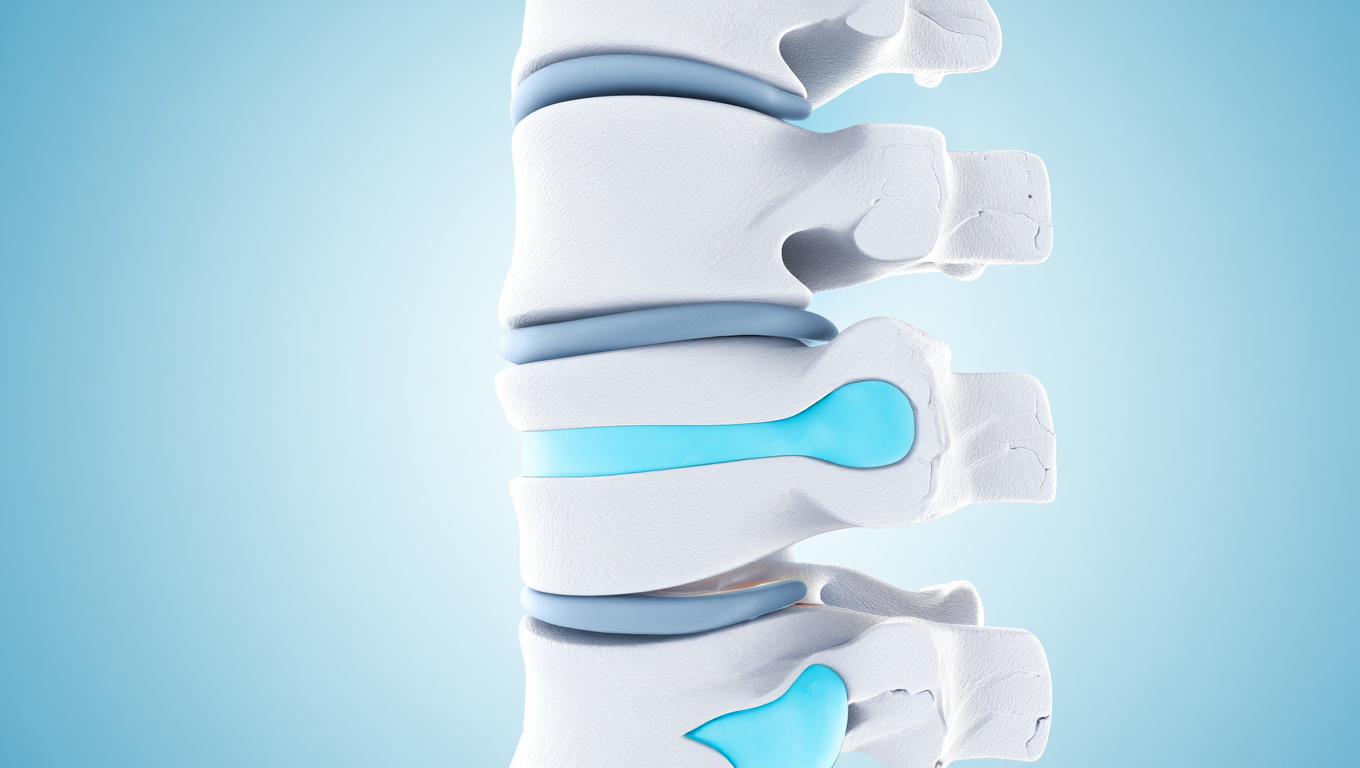
Think of each disc as a shock absorber between the bones of your spine. It has a tougher outer ring and a softer inner centre. Discs are built for load. They handle walking, lifting, twisting, and sport. Problems usually show up when the disc has been irritated over time by repeated strain, poor recovery, or a sudden spike in load.
Common contributors include:
Long periods of slumped sitting, repetitive bending, heavy lifting without preparation, or returning to sport or gym too quickly after a break.
When a disc is irritated, the surrounding area can tighten up and the nervous system can become more protective. That is why a disc flare can feel dramatic, even from a small movement like leaning forward to pick up socks.
Disc bulge vs herniation: what is the difference?
People often use these terms interchangeably, but they are not exactly the same.
Disc bulge
A bulge is when the disc’s outer layer pushes outward a little, like a tyre that is slightly over-pressured. The disc shape changes, but the inner material usually stays contained. A bulge can be part of normal wear and tear and can exist without pain. Many people have disc bulges and never know it.
Disc herniation
A herniation is usually a more focal issue. The outer layer has a weak point or tear, and some of the inner material pushes further out. That is more likely to irritate nearby tissues and, in some cases, press on or inflame a nerve root.
A simple way to remember it: a bulge is often broader and milder, a herniation is often more specific and can be more provocative.
What does “pinched nerve lower back” actually mean?
The phrase pinched nerve lower back is common, but nerves are not always literally pinched. Nerves can be irritated by pressure, inflammation, or chemical sensitivity from nearby disc material. The result can feel the same either way: pain that travels, tingling, numbness, or changes in strength.
When a nerve is involved, symptoms often go beyond a simple ache in the lower back. You may notice pain into the buttock, thigh, calf, or foot. Sometimes it is sharp. Sometimes it is more like burning, buzzing, or deep cramping.
If you want to read more about nerve-type leg symptoms, our page on Sciatica explains the common patterns and what tends to help.
Signs your back pain may be disc-related
No online guide can diagnose you, but there are patterns that commonly show up when discs are involved.
1) Sitting makes it worse
If you feel worse after sitting, driving, or slumping on the couch, and better after standing and walking, a disc may be irritated.
2) Bending forward is the main trigger
Pain that spikes when you bend to put on shoes, pick something up, or load the dishwasher is a common disc-related pattern.
3) You get “stuck” or shift to one side
Some people feel like they cannot straighten up properly for a day or two. Others notice their body leans slightly to one side. That protective pattern can happen when the nervous system is trying to reduce irritation.
4) Pain travels into the leg
Leg symptoms raise the chance of nerve irritation. It does not always mean something is severe, but it is a sign you should take the pattern seriously and manage it well.
5) Coughing or sneezing increases pain
This is not always present, but it can show up when disc pressure is a key factor.
Disc pain can also be confusing because it can feel better one day and worse the next. That often comes down to load and recovery, not because the disc is “slipping in and out.”
When it might not be disc-related
Not all lower back pain is disc pain. You may be dealing with muscle strain, joint irritation, hip or pelvis mechanics, or general overload.
Clues that it might be more muscular or joint-based include:
Pain that is very local, more of a tight band, and improves quickly with heat and gentle movement. Or pain that feels worse with standing and walking but better with sitting, which can be a different pattern altogether.
That is why a proper assessment matters. You want the plan that matches your pattern, not a generic back routine.
Do you need an MRI right away?
Most people assume scans are the next step. In many cases, they are not the first step.
Imaging is useful when there are red flag signs, serious neurological changes, or when symptoms are not improving as expected. But for many people, the early phase is better managed with the right movement choices, sensible loading, and care that aims to reduce irritation.
Another important point: scans can show disc bulges or even herniations that are not causing symptoms. If a scan shows something common and age-related, it can create unnecessary fear. The goal is to treat the person, not the picture.
What to do at home if you suspect disc irritation
If you think you are dealing with disc injury back pain, the aim is to calm the irritation first, then rebuild tolerance. These tips are general, but they help many people.
Choose positions that reduce symptoms
Often, walking feels better than sitting. Standing breaks feel better than long couch time. If sitting is unavoidable, sit taller, use a small lumbar support, and take frequent breaks.
Avoid the movements that spike symptoms, temporarily
If repeated forward bending is clearly setting you off, avoid testing it all day. That does not mean you will never bend again. It means you stop poking the bear while it is irritated.
Use short, frequent walks
A few short walks through the day often helps more than one long walk when you are flared. Movement keeps the spine from stiffening and can reduce protective muscle tension.
Be careful with aggressive stretching
Deep hamstring stretches and long holds can sometimes aggravate disc patterns, especially if they reproduce nerve-like symptoms. Gentle, controlled movement tends to be safer in the early phase.
Sleep and recovery matter
If your back is flared, sleep can become lighter and more broken, which makes pain feel louder. A simple pillow under the knees (back sleeping) or between the knees (side sleeping) can reduce night irritation.
When to seek help sooner rather than later
It is time to get assessed if:
Your pain keeps recurring, you cannot sleep properly, your symptoms are travelling down the leg, or you feel weakness, numbness, or tingling that is not settling.
It also matters if your pain is stopping you from working, training, or even walking normally. You do not need to wait until it is unbearable to get a plan.
If you want an overview of common back pain patterns and how we approach them, you can visit our Low Back Pain page.
How chiropractic care can fit into disc-related back pain
Chiropractic care is not about “putting a disc back in.” That is not how discs work. The goal is usually to improve spinal and pelvic mechanics, reduce local irritation, and build a plan that helps you move confidently again.
Depending on your presentation, care may include:
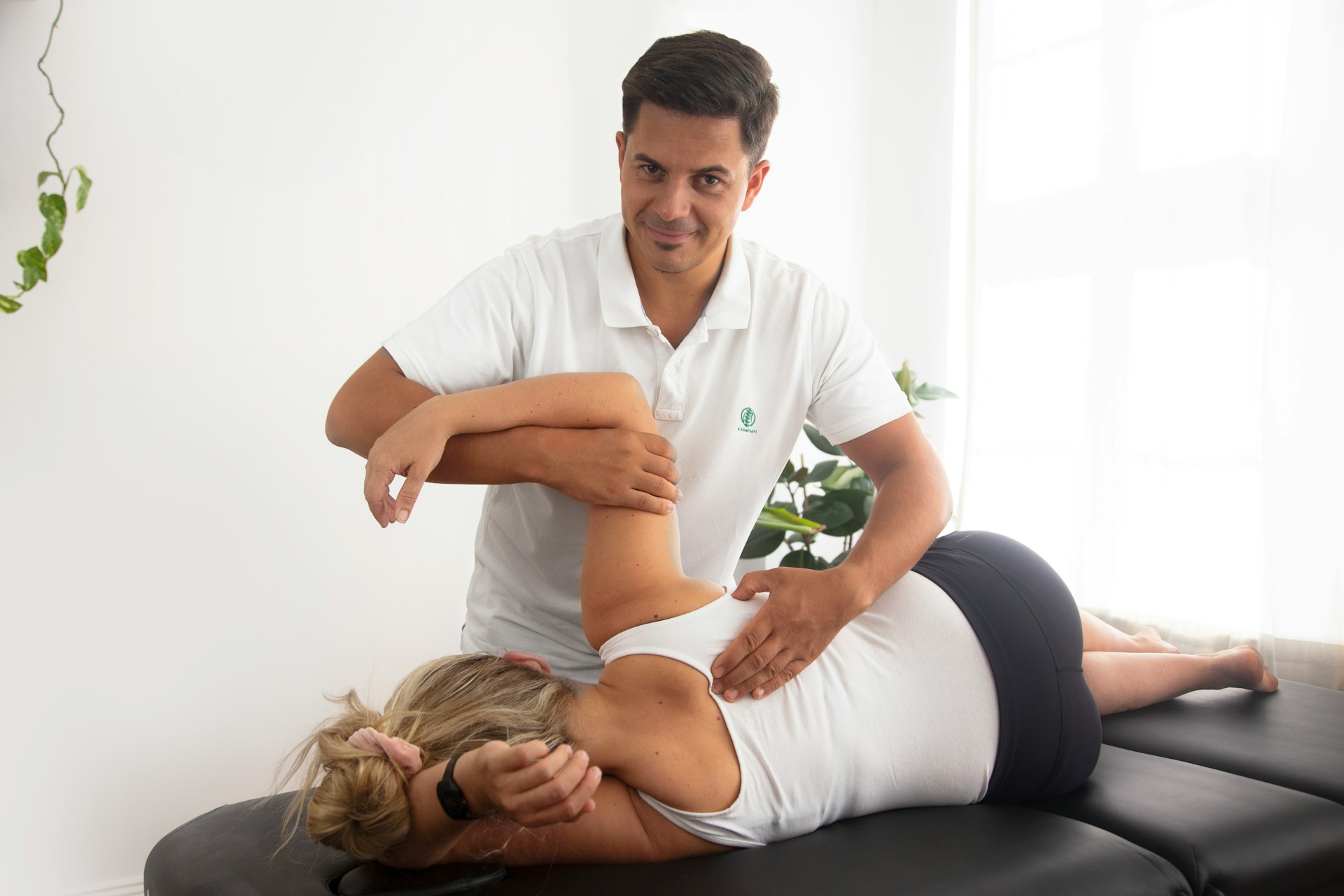
Hands-on treatment to improve mobility and reduce protective tension, guidance on posture and pacing, and exercises aimed at restoring strength and movement options without flaring symptoms.
The best outcomes usually come from doing the right things consistently, not doing intense things occasionally.
Local context: Rosebud and the Mornington Peninsula
If you have been stuck in a cycle of flare-ups and you are searching Chiropractor Near me, it often means you want clarity. You want to know what is going on and what to do so it stops controlling your week.
If you are in the area and looking for a Chiropractor Rosebud locals can access easily, our clinic in Capel Sound supports patients across the Mornington Peninsula. If you are new to care and want to know what happens in an initial appointment, you can read our First Visit guide.
FAQs
Is a disc bulge always painful?
No. Many disc bulges cause no symptoms at all. Pain depends on irritation, inflammation, load, and sensitivity, not just what a scan shows.
How do I know if it is a herniated disc?
You cannot confirm it without assessment and, in some cases, imaging. Patterns that increase suspicion include pain that worsens with sitting and bending, and symptoms that travel into the leg with tingling or numbness.
Can a disc heal?
Discs can calm down and symptoms can resolve, often very well with the right management. The key is reducing irritation and rebuilding tolerance so flare-ups become less frequent.
What should I avoid during a flare-up?
Avoid repeatedly doing the movement that clearly triggers sharp pain or worsening leg symptoms, especially frequent forward bending and long slumped sitting. Keep movement gentle and consistent.
When should I be worried?
Seek urgent help if you have new bowel or bladder changes, numbness in the groin area, rapidly worsening weakness, fever, unexplained weight loss, or pain after major trauma.