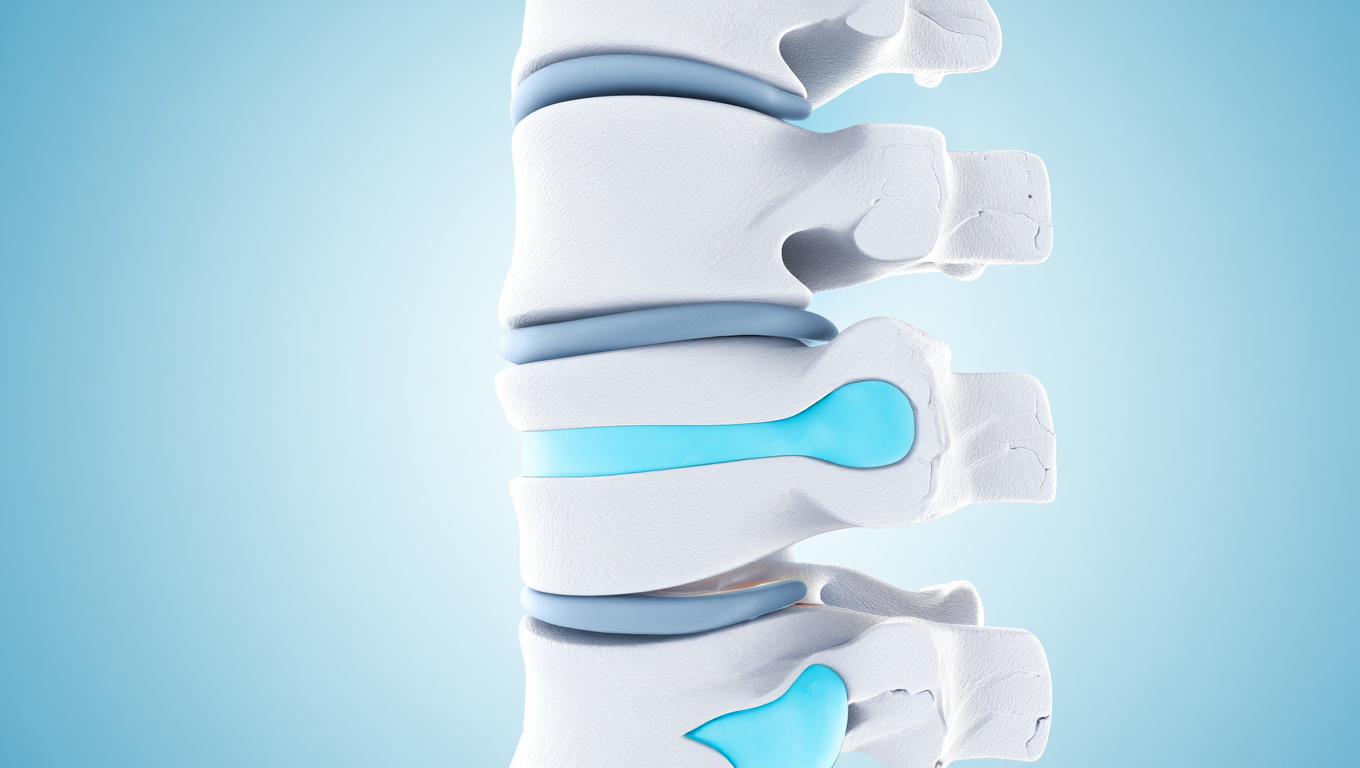
If you are trying to sleep with lower back pain, you already know how frustrating it can be. You finally get comfortable, then a small roll or twist lights your back up. Or you fall asleep alright and wake up stiff, sore, and annoyed before your day even starts.
The good news is you usually do not need a perfect mattress or a complete lifestyle overhaul to get a better night. Most people improve by doing two things: reducing the positions that irritate the back and supporting the positions that feel neutral. That is what this guide is for.
A quick safety note before we get practical. If your back pain is linked with new loss of bladder or bowel control, numbness around the groin area, fever, unexplained weight loss, a major fall or accident, or rapidly worsening weakness, seek urgent medical care.
Why sleeping can trigger lower back pain
During the day, your back is moving, your core is working, and you naturally change positions. At night, you stay still longer. If you settle into a posture that loads a sensitive joint, disc, or muscle, it can build irritation over hours.
The most common culprits are:
- Too much arching through the lower back
- Twisting through the pelvis while the ribs stay still, or the other way around
- Lying in a position that forces one hip higher than the other
- A pillow or mattress setup that lets the spine sag or overextend
You do not need to guess which one is happening. Your symptoms give clues.
Step one: identify your “pain pattern” at night
Before you change anything, answer these three questions:
- Do you feel worse when you lie flat on your back?
If yes, your lower back may be over-arched or your hips may be tight, pulling the spine into extension. - Do you feel worse on your side, especially after a while?
If yes, your pelvis may be rotating forward, or you may be collapsing through the waist because the pillow support is not matching your body. - Do you wake up with pain that eases after a shower or moving around?
If yes, stiffness and compression overnight is likely a factor, and you will usually respond well to better support and small movement habits.
Now let’s talk positions.
Best sleeping position for back pain: the “supported side sleep”
For many people, the best sleeping position for back pain is on the side, but supported properly.
How to do it
Lie on your side with your ears, shoulders, ribs, and hips stacked. Then:
- Place a pillow between your knees so the top leg does not drag your pelvis forward
- If you have a gap at your waist, add a small rolled towel or a thin pillow to support it
- Make sure your head pillow is high enough to keep your neck neutral, not tilted down
Why it works
Side sleeping reduces pressure through the spine compared with stomach sleeping, and it can keep the pelvis more level than an unsupported back position.
Common mistake
People often pull the top knee forward, halfway into a twisted “running” pose. That twist can feel fine at first, then your back complains at 3 am. Keep the knees together and slightly bent.
Back sleeping that actually helps: the “knees supported” setup
If you prefer sleeping on your back, you can make it much kinder to the lower spine by reducing the arch.
How to do it
Lie on your back and place a pillow under your knees so your hips and knees are slightly bent.
Why it works
This reduces tension through the hip flexors and takes pressure off the lower back. It often helps people who feel pinchy or tight when they lie flat.
If you wake up sore after back sleeping, this one change can be surprisingly effective.
Positions to avoid when your back is irritated
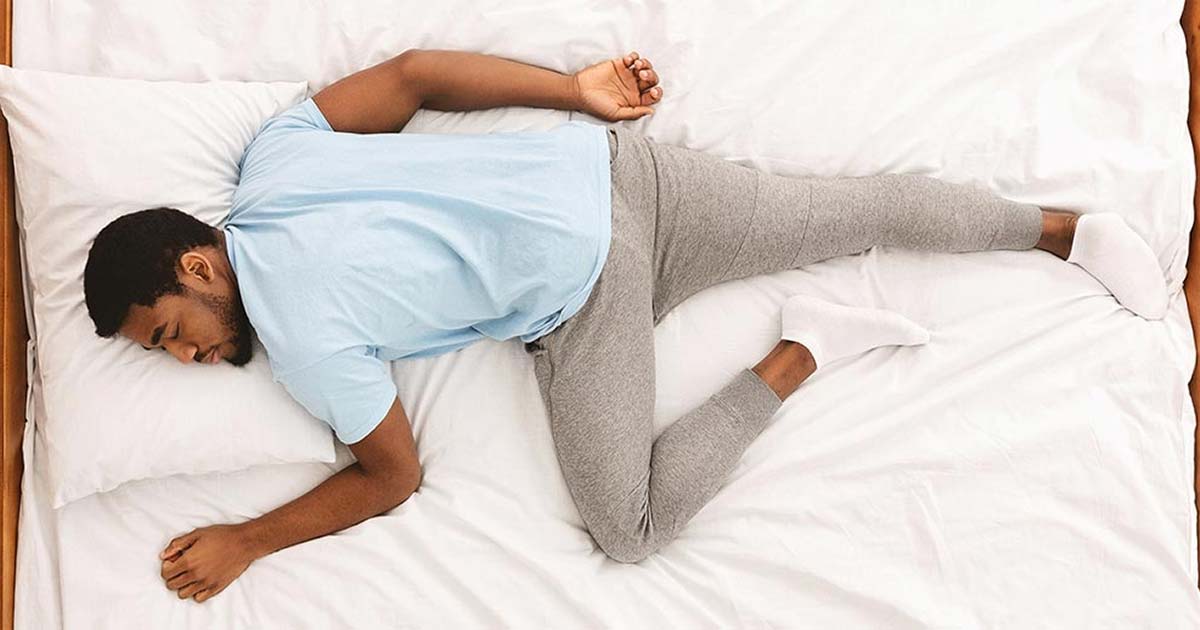
Stomach sleeping
Stomach sleeping tends to force the lower back into an arch and often twists the neck to one side. Some people can tolerate it when they are feeling good, but during a flare-up it commonly makes things worse.
If you are a committed stomach sleeper, try a transition rather than forcing yourself to change overnight:
- Put a thin pillow under your hips or lower belly to reduce the arch
- Use the thinnest head pillow you can tolerate to reduce neck rotation
- Consider moving to a three-quarter stomach position with one leg slightly bent, then gradually move more to the side over time
The curled ball
A very tight fetal curl can sometimes feel comforting, but if you over-curl, you can stiffen the hips and back further. Aim for “relaxed side sleep” rather than tightly curled.
Mattress truth without the marketing hype
People often ask if they need a new mattress. Sometimes yes, often no.
A mattress that is too soft allows your pelvis to sink, which can twist the spine. A mattress that is too firm can create pressure points and stop you from relaxing, especially on the side.
A simple test: when you lie on your side, does your spine feel roughly straight, or do you feel like you are sagging or bending sideways? If you feel sagging, a firmer surface or added support may help.
Easy fixes before buying anything
- If your mattress is too soft, try a firmer topper or place a supportive layer under the mattress if your bed frame allows it
- If your mattress is too firm, a medium topper can reduce pressure without losing support
- If the mattress is old and visibly sagging, especially in the middle, it is likely time
Pillow setup matters more than most people think
For back pain, pillows are not about luxury. They are about keeping the spine and pelvis neutral.
Useful pillow placements:
- Between knees (side sleepers)
- Under knees (back sleepers)
- Behind your back (side sleepers who keep rolling onto their back, so you stay in a comfortable angle)
- In front of your chest (to hug, which reduces shoulder strain and helps keep your ribs from rotating forward)
You can trial these changes in one night. If you wake up better, you have your answer.
What to do right before bed to reduce stiffness
If you are sore and you climb straight into bed after a long day, your nervous system is still in “hold tension” mode. The goal is to downshift.
Try this simple routine 10 to 15 minutes before sleep:
- A short, gentle walk around the house or outside
- A warm shower or heat pack across the lower back
- Slow breathing for two minutes, focusing on long exhales
- A few slow hip hinges holding onto a bench, staying in a comfortable range
This is not about stretching hard. It is about moving enough to reduce guarding and help you settle.
Waking up sore: the two-minute reset
If you wake up stiff, do not panic and do not test your back with a deep forward bend. Instead:
- Roll onto your side
- Bring your knees up slightly
- Push yourself up with your arms rather than jackknifing forward
Once you are up, take a minute to walk, then reassess. Many people feel noticeably better after gentle movement and a little warmth.
When pain in bed might be disc or nerve related
If your pain is mostly in the back, position changes usually help quickly. If you feel pain travelling into the buttock or leg, or you get tingling or numbness, there may be nerve sensitivity involved.
In those cases, the goal is often to find a position that reduces leg symptoms, not just back ache. Some people do better on their back with knees supported. Others do better on their side with knees together and the waist supported.
If you suspect your symptoms might be linked with a disc or nerve irritation, you can also explore our Sciatica information for common signs and next steps.
Chiropractor advice back pain patients can use without overthinking it
Here is the simple version of chiropractor advice back pain patients tend to benefit from most:
- Pick the position that feels most neutral and support it with pillows
- Avoid the position that reliably flares you, at least during the sensitive phase
- Change one variable at a time so you know what helped
- Keep daytime movement gentle and consistent so you are not “locking up” by bedtime
- If pain keeps recurring, get assessed so you are not guessing
If you want a deeper overview of how we approach recurring back issues, our Low Back Pain page explains common causes and how care is tailored.
Local help if you are searching “Chiropractor Near me”
A lot of people end up here after typing Chiropractor Near me at 2 am because sleep has become the breaking point. If you are near Rosebud and want a Chiropractor Rosebud locals trust for a clear plan, our Capel Sound clinic supports people across the Mornington Peninsula with back pain, sciatica, posture stress, and mobility issues.
If you are new to chiropractic and want to know what happens in the first appointment, you can read our First Visit guide to see what to expect.
FAQs
What is the best sleeping position for back pain?
For many people, side sleeping with a pillow between the knees and support at the waist is the most comfortable. Back sleeping can also work well if you place a pillow under the knees to reduce the lower back arch.
Should I keep changing positions all night?
Small position changes are normal. The goal is to avoid one position that clearly aggravates you for long periods. If you find yourself constantly tossing, it is a sign your setup is not supportive enough yet.
How do I know if my mattress is the problem?
If you feel like your hips sink or you wake up worse in the same spot each morning, your mattress may be contributing. Try pillow support first. If you still feel sagging or pressure, then consider a topper or replacement.
Is it okay to use heat at night?
Yes. Heat can help muscles relax and reduce the feeling of tightness. Use it safely, and avoid falling asleep on an electric heat pack unless it is designed for that.
When should I get my back checked?
If your sleep is consistently disrupted, pain is getting worse, symptoms travel into the leg, or flare-ups keep returning, it is worth getting assessed so you have a plan that fits your body and routine.